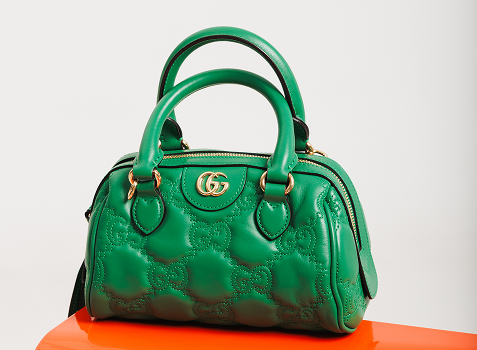
What is resale and how is pre-loved different from second-hand?
top: 0pt; margin-bottom: 0pt;">Resale is the secondary sale of items that have already had an owner, and the term pre-loved is used for such goods in the fashion segment. Resale and second-hand partially overlap, but may differ in their principles of selection, verification, sale, and presentation of items.
What is resale?
Resale is the secondary sale of an item after its original purchase. The item may be worn, barely used, or remain new with its tag. What matters is not the condition of the item, but the fact that it was already purchased by a previous owner who is now putting it up for resale.
The owner can sell the item independently or through a specialised resale platform. In the latter case, the platform accepts the request, preliminarily evaluates the item, checks its condition and authenticity, prepares photos and a description, publishes the listing, and organises the sale.
How does a resale platform work?
The process of selling an item through a resale platform typically consists of several steps:
- The owner sends information about the item and photos.
- The platform conducts a preliminary evaluation and informs about the possible terms of sale.
- The seller submits the item for inspection.
- Specialists verify the condition, characteristics, and authenticity of the item.
- The item is photographed, a description is prepared, and any signs of use are noted.
- The item is published on the website and offered to buyers.
- After the sale, the platform pays the owner the agreed amount.
The specific scheme depends on the platform. It may sell the item for a commission, jointly determine the price with the owner, or buy the item outright.
What does pre-loved mean?
Pre-loved is a widely used fashion-segment term for items that have already had an owner and are being offered for sale again. The term may be applied to clothing, footwear, bags, jewellery, watches, and other goods.
The pre-loved label does not describe the specific condition of an item. Such an item may show visible signs of wear, have been used only a few times, or remain new with its tag. Its actual condition must be determined from the description, photos, and inspection results — not solely from the category name.
How does pre-loved differ from second-hand?
There is no strict legal boundary between the concepts of pre-loved and second-hand. Both terms may refer to items that have already had an owner. The difference lies primarily in the method of selection, presentation, and sale of goods.
In a second-hand store, the assortment may be formed in large batches and cover various brands, categories, and price segments. Items may be sold at a fixed price, by weight, or after individual valuation. At the same time, second-hand stores may also carefully select items and offer quality branded pieces.
In the pre-loved segment, items are more often accepted and evaluated individually. For each item, photos may be prepared, and the condition, defects, completeness, and signs of use described. The assortment is often focused on a specific price segment or brands, but this depends on the store or platform.
For branded bags, footwear, clothing, jewellery, and watches, a resale platform may additionally verify their authenticity. However, the pre-loved label itself guarantees neither authenticity nor a specific condition of the item — these must be confirmed separately.
How does resale differ from vintage, consignment stores, and outlets?
Resale is the secondary sale of items after their original purchase, regardless of their age. Both contemporary goods and vintage pieces may be sold on resale.
Vintage primarily describes the age of an item, its association with a particular era, and its potential cultural or collectible value. Not every used item is vintage, but a vintage piece may be sold through resale.
A consignment store is a sales model in which the owner entrusts an item to an intermediary, who receives a fee upon its sale. Both physical stores and online platforms may operate on a consignment basis.
An outlet sells new items from past collections, surplus stock, or special outlet lines. Such items have not necessarily had a private owner, so their sale is generally not considered resale.
What items are sold on resale?
Branded clothing, bags, footwear, accessories, jewellery, and watches are sold on resale. The assortment may include both current models and items from past collections, vintage pieces, and rare finds.
The condition of items also varies. Some show visible signs of wear, others have been used only a few times, and some remain new with tags. Information about scuffs, scratches, repairs, colour changes, or missing components should be stated in the description of each specific listing.
Acceptance criteria are determined by the platform itself. It may set requirements regarding brand, category, condition, season, completeness, and potential demand for the item.
Why do buyers choose branded pre-loved items?
The pre-loved segment provides access to models from past collections that are no longer available in official stores. Resale also offers the chance to find rare colours, limited editions, discontinued models, and vintage pieces.
Secondary sales broaden price options: the cost may depend on condition, demand, completeness, and the rarity of a specific listing. This allows buyers to compare several versions of the same model, but does not mean that every resale item will be cheap or a bargain.
Another reason is the opportunity to extend the life of a quality item rather than replace it prematurely. At the same time, before purchasing, it is important to assess the condition, authenticity, price, return policy, and any potential costs for care or repair.
What determines the price of an item on resale?
The price of a resale item is formed individually. It is influenced by:
- the brand and specific model;
- demand on the secondary market;
- the condition of the item and any signs of use;
- the year or season of production;
- material, colour, and size;
- the presence of a box, dust bag, receipt, strap, and other elements of the set;
- rarity and production run;
- seasonal demand;
- the current price of a comparable new item;
- prices of comparable listings on the resale market.
A rare or discontinued model may cost more than a common item in the same condition. At the same time, scratches, scuffs, repairs, replacement of parts, or an incomplete set may reduce the value.
There is no universal discount percentage for resale. The price may be lower, close to the cost of a new item, or — in the case of scarce and collectible models — exceed it.
How is the condition of pre-loved items assessed?
There is no single universal condition scale for the entire resale market. Each platform independently determines its status names and assessment criteria. As a result, the same label used by different sellers may describe items with varying degrees of wear.
The Originals uses the following statuses: with tag, unworn, pristine, very good, good, and fair. The current options can be seen in the condition filter in The Originals catalogue.
A status alone is not sufficient to evaluate an item. You should review detailed photos and read the individual condition description. It should indicate signs of wear, scuffs, stains, scratches, changes in colour or shape, any repairs carried out, re-dyeing, replacement of parts, and any missing elements of the set.
Particular attention should be paid to corners, handles, soles, hardware, lining, clasps, and other areas that wear out most quickly. Defects should be visible in separate photos, not merely mentioned in the general description.
How to shop safely for branded items on resale?
Before purchasing a pre-loved item, it is worth checking not only the item itself, but also the terms of the seller or platform.
- Check the platform's reputation. Pay attention to its operating history, contact details, buyer reviews, and whether its sales policies are published.
- Find out how authentication is conducted. Check who assesses authenticity, whether the item is physically inspected, and at what stage the verification takes place.
- Study the photos and condition description. You need images of the item from multiple angles, macro shots of markings, hardware, and any defects.
- Verify the model match. The name, size, material, colour, construction, hardware, and markings must correspond to the specific version of the item and its production period.
- Clarify the payment and delivery terms. Payment should be made through the method provided by the platform, with the ability to confirm the transaction.
- Read the return policy. Before paying, find out the return period, exceptions for certain items, and requirements for preserving tags and the condition of the item. At The Originals, these rules are published in the Delivery and Returns section.
A box, dust bag, receipt, card, or serial number may supplement information about the item's provenance, but do not independently confirm its authenticity. These elements are also faked, transferred, or added from another item.
Why is authentication necessary for luxury resale?
The high value of luxury goods and the prevalence of high-quality counterfeits make authenticity verification an important component of a safe transaction. Modern replicas can reproduce logos, serial elements, packaging, receipts, and individual external details.
Professional authentication covers materials, construction, proportions, stitching, hardware, lining, logos, fonts, markings, and the individual characteristics of a specific model. None of these features should be used in isolation as conclusive proof.
At The Originals, every item undergoes a physical inspection by brand specialists. For bags, Entrupy is also used, and high-risk items may be sent for additional external authentication.
At the same time, authentication is not a mandatory service for second-hand stores, consignment shops, or marketplaces. Before purchasing, it is important to check separately whether a specific seller provides it and what exactly the verification includes.
How to sell a branded item through a resale platform?
At The Originals, the selling process consists of several steps:
- The owner sends information about the item, brand, model, condition, and photos.
- The platform team conducts a preliminary evaluation and informs whether the platform can accept the item.
- The item is handed to a The Originals courier or sent via Nova Poshta.
- After physical inspection, the parties agree on the price, commission, and other terms of sale.
- The item is checked for authenticity and condition, photographed, and a description is prepared.
- The item is published on the website, after which the platform processes orders and organises delivery to the buyer.
- After the actual sale, the owner receives payment in accordance with the agreed terms.
You can submit an item for preliminary evaluation on The Originals sell page.
The time to sale cannot be predicted in advance. It depends on the brand, model, condition, price, season, and demand for the specific item.
Does resale truly support conscious consumption?
Resale can support conscious consumption, as reuse extends the lifespan of clothing, footwear, bags, and accessories. An item that is no longer needed by one owner may still be usable by another person.
Buying pre-loved items may also reduce the need for premature wardrobe replacements. However, this depends on whether the buyer will genuinely use the item and whether it replaces the purchase of another product.
Not every resale purchase automatically reduces emissions or is fully sustainable. Its impact may also be affected by delivery, packaging, cleaning, repairs, storage methods, and the subsequent period of use.
Frequently asked questions about resale and pre-loved
Have all pre-loved items been used?
No. An item may have had a previous owner but remain unworn and with its original tag. The term pre-loved does not define the condition of a product — this must be verified through the description and photos.
Are resale and second-hand the same thing?
These concepts overlap but are not complete synonyms. Resale covers the secondary sale of items, while second-hand typically describes a distinct format of assortment curation and sale of used goods.
How does vintage differ from pre-loved?
Vintage characterises the age, period of creation, and potential cultural or collectible value of an item. Pre-loved simply means that the item has already had an owner, so not every such item is vintage.
Are resale items always cheaper than new ones?
No. Price depends on brand, model, condition, demand, completeness, and rarity. Scarce, vintage, or discontinued items may cost the same as new, or more.
How can I be sure a branded item is authentic?
It is best to purchase from a platform that conducts professional authentication and verifies materials, construction, stitching, hardware, markings, and the specific features of the model. A box, receipt, serial number, or card alone do not confirm authenticity. For more details on how items are verified at The Originals, see the Authentication section.